Living in Bothell WA: What Daily Life Feels Like
June 25, 2026
June 25, 2026
If you want a suburb that feels connected without feeling hectic, Bothell deserves a close look. Many buyers and renters are drawn to the area for its balance of outdoor access, commuter convenience, and a housing mix that still leans suburban. If you are wondering what day-to-day life really feels like here, this guide will walk you through the basics so you can picture the lifestyle more clearly. Let’s dive in.
Bothell is a city that spans both King and Snohomish counties, with the city reporting that about 60% of residents are in King County and 40% are in Snohomish County. The U.S. Census Bureau estimated Bothell’s population at 51,770 in 2024. That gives Bothell the feel of an established city, but not a dense urban core.
The local housing and commute numbers help tell the story. Census QuickFacts shows an owner-occupied housing rate of 63.2%, a median owner-occupied home value of $871,300, a median monthly gross rent of $2,295, and a mean commute to work of 29.1 minutes. In practical terms, Bothell tends to appeal to people who want more space and a suburban rhythm while staying connected to larger job centers.
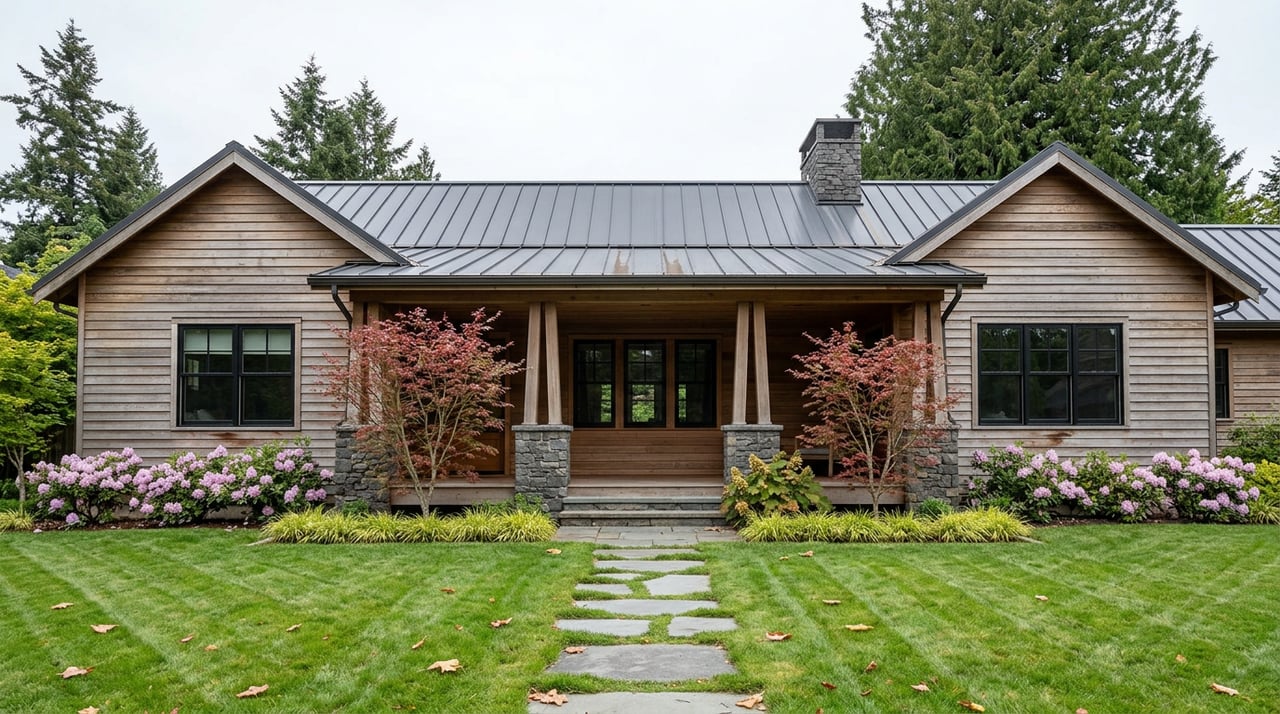
The overall feel of Bothell is suburban, and the city’s housing pattern backs that up. According to the city’s housing overview, about 52% of homes are single-family, about 34% are apartments and other multifamily buildings with five or more units, and 9% are manufactured homes. The city also notes that low-density residential use predominates citywide.
That means much of Bothell feels residential, spread out, and car-oriented compared with Seattle or Bellevue’s denser areas. You will likely notice quieter neighborhood streets, more detached homes, and a general sense of space. For many people, that is exactly the draw.
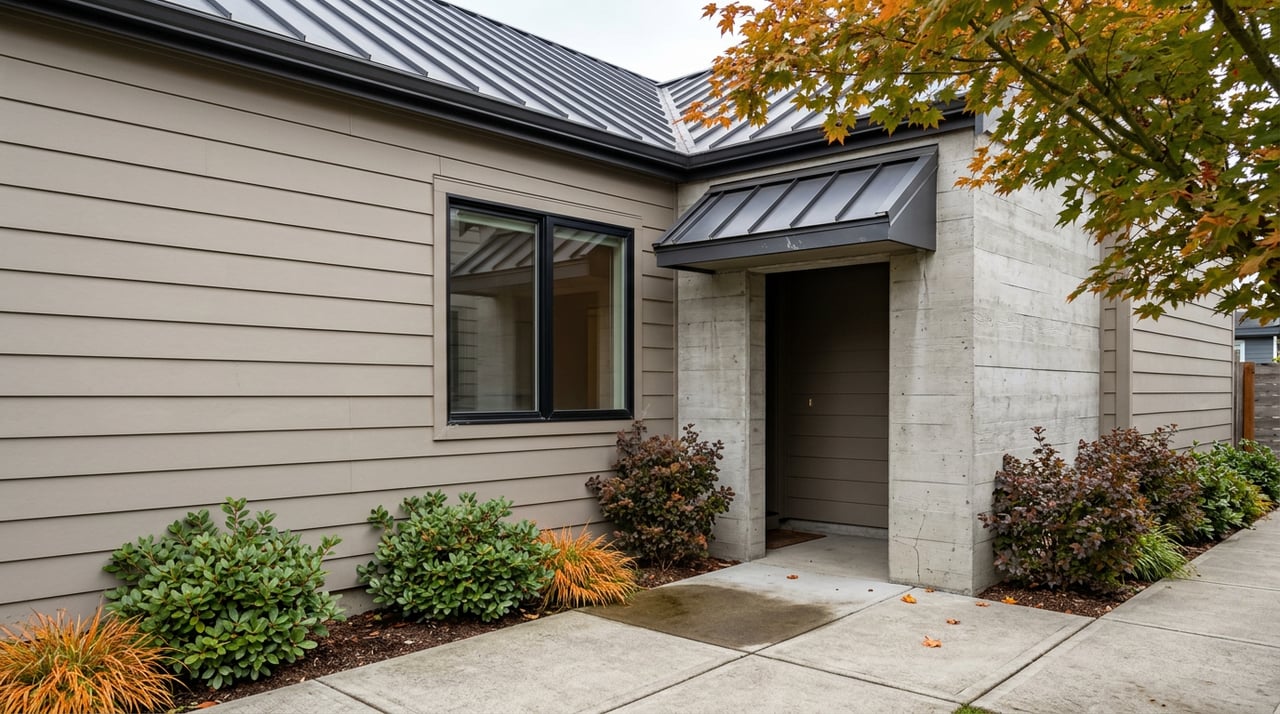
Even though detached homes still dominate, Bothell is not limited to one housing style. The city is actively planning for more housing variety, including ADUs, duplexes, triplexes, fourplexes, cottage housing, townhomes, and transit-oriented development in selected areas. That gives buyers and renters more ways to enter the market or find a home that fits their stage of life.
If you are comparing Bothell with other Eastside communities, this matters. You can still find the traditional suburban base, but you may also see newer townhome communities, condos, and more compact housing options in certain parts of the city. That variety can be especially helpful if you are balancing budget, commute, and long-term resale goals.
One of the most common questions about living in Bothell is whether it feels walkable. The honest answer is that walkability is strongest in select pockets rather than citywide. Downtown, Main Street, Triangle Junction, the Park at Bothell Landing area, and the UW Bothell campus area offer the most pedestrian-oriented experience.
City materials describe Main Street flex zones as part of a pedestrian-oriented environment. Triangle Junction helps connect downtown businesses, Main Street, and the Park at Bothell Landing. The downtown subarea plan is also guiding continued growth in the core, which supports a more active and connected feel.
UW Bothell is about a mile from downtown and adds energy to that area with commuter services, a dining pavilion, cafes, and convenience stores. Together, downtown and the campus area can feel more lively and accessible on foot than the rest of the city. Outside those pockets, Bothell is more typically suburban, so many daily errands still involve driving.
If you value parks, trails, and easy access to the outdoors, Bothell stands out. The city says it manages 400 acres of parkland and open space, 26 parks, and more than 3.6 miles of regional trails. That outdoor network is part of what shapes the local lifestyle.
Park at Bothell Landing is one of the city’s key gathering places and connects downtown to the Sammamish River. The Sammamish River Trail extends east toward Marymoor Park in Redmond and west on the Burke-Gilman Trail toward Seattle. For many residents, that means weekend activity, casual walks, and bike rides can be part of normal life rather than a special trip.
This outdoor access also helps Bothell feel active without feeling crowded. You can enjoy a suburban home base while still having meaningful recreation nearby. For buyers thinking long term, that kind of everyday livability often becomes a major quality-of-life factor.
Bothell is not just a place to sleep between commutes. The city hosts signature events like the Fourth of July Parade, Summer Nights in Bothell, Trick-or-Treat on Main Street, and Arbor Day. These events help create a local rhythm throughout the year.
Downtown also benefits from programs like Pop Shops on Main and Triangle Junction, which support small businesses and food vendors. That gives the city core a more lived-in, community-centered feel. If you are looking for a suburb with some local personality, Bothell offers more activity than people sometimes expect.
Commuting is part of the Bothell lifestyle conversation because many residents travel to other parts of the region for work. The mean commute to work is 29.1 minutes, according to Census QuickFacts. That suggests Bothell functions as a real commuter city, not a self-contained urban center.
Cars remain common, but transit is more realistic here than some buyers first assume. Community Transit says Bothell has local buses, Swift bus rapid transit, Sound Transit express buses, vanpool, and DART paratransit. Bothell Park & Ride and Canyon Park Park & Ride serve as major transit hubs.
The Swift Green Line serves Canyon Park Park & Ride every 10 to 20 minutes, and Community Transit highlights bus connections to Bellevue, Everett, Lynnwood City Center, and UW Bothell/Cascadia College. For you, the takeaway is simple: depending on where you live and where you work, transit may be a meaningful part of your routine, but many households still rely on a car for flexibility.
Living in Bothell often means trading a dense city pace for a calmer suburban setup. You may have more space, easier access to parks and trails, and a home base that feels a little quieter at the end of the day. At the same time, you are still connected to regional job centers, transit options, and a downtown area with growing activity.
That blend is a big reason Bothell continues to attract first-time buyers, move-up buyers, and people relocating to the Seattle area. It can work well if you want practical commuting options, a more residential setting, and a mix of housing choices rather than a one-size-fits-all market. The best fit usually comes down to choosing the right pocket of Bothell for your priorities.
Bothell may be a strong fit if you want a suburban environment with selective walkability rather than full urban convenience. It can also make sense if outdoor access matters to you and you want parks and trails woven into everyday life. Buyers and renters who want a mix of single-family homes, townhomes, condos, and newer housing options may also find more flexibility here than expected.
If your top priority is being able to walk everywhere, only certain parts of Bothell will likely feel right. If your priority is space, neighborhood variety, and staying connected to the Eastside and nearby employment centers, Bothell becomes more compelling. That is why local guidance matters when you start comparing specific areas and home types.
If you are thinking about buying or selling in Bothell, working with a local advisor can help you weigh commute patterns, housing style, resale potential, and which part of the city best fits your goals. For thoughtful, data-driven guidance tailored to your move, connect with Hemalatha Venu.
Stay up to date on the latest real estate trends.
Hemalatha Venu believes real estate should feel informed, transparent, and genuinely supportive—not overwhelming. Through thoughtful strategy, data-driven insight, and a calm, relationship-first approach, she helps clients make confident decisions while feeling supported every step of the way.